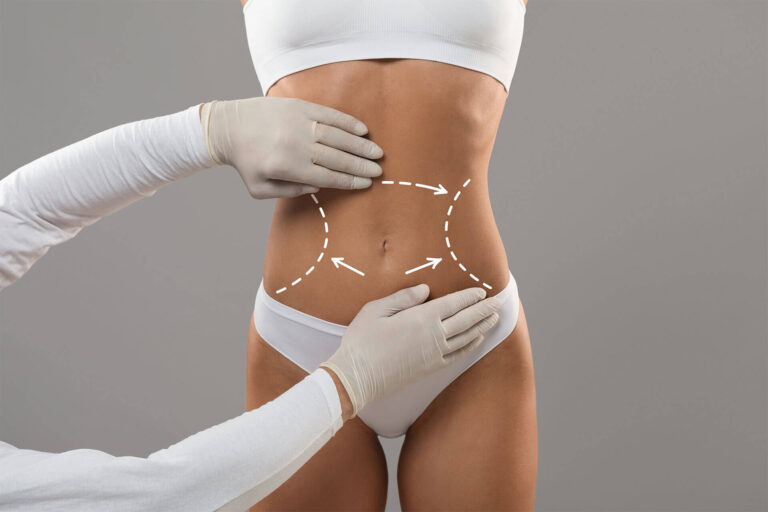

While biosculpture and traditional cosmetic injectables both involve injectable treatments, their goals, mechanisms, and long-term strategies differ significantly.
Understanding these differences is critical for patients seeking refined, sustainable aesthetic enhancement.
Cosmetic injectables such as hyaluronic acid fillers are designed to:
They are often used for:
Biosculpture, in contrast, focuses on:
The difference lies not only in product selection but in treatment philosophy.
Traditional injectables provide immediate correction. Results are visible within days.
However, they require:
Biosculpture develops gradually as collagen regenerates.
This approach:
In a longevity-focused practice, long-term planning is prioritized over immediate cosmetic change.
Repeated filler placement without structural planning can result in:
Biosculpture avoids this by reinforcing foundational support rather than expanding surface volume.
Instead of filling every hollow, structural anchor points are addressed to restore balance.
One concern with heavy filler use is altered facial movement.
Regenerative approaches aim to preserve natural facial animation. Because collagen stimulation integrates with existing tissue, results tend to appear more organic.
Patients seeking discreet refinement often prefer this approach.
Both biosculpture and cosmetic injectables require anatomical precision and medical oversight.
However, regenerative approaches typically involve:
This reduces the likelihood of long-term distortion.
Biosculpture is not positioned as a replacement for all fillers.
There are clinical scenarios where targeted hyaluronic acid fillers are appropriate, such as:
However, when structural collapse or collagen depletion is the primary issue, regenerative approaches may offer more sustainable results.
In a concierge medical environment, treatment decisions are individualized.
Planning considers:
Rather than defaulting to volume replacement, the provider evaluates whether structural reinforcement would produce a more refined outcome.
The aesthetic field is gradually shifting from volumizing to regenerating.
Patients increasingly seek:
Biosculpture aligns with this evolution.
It reflects a broader trend toward regenerative aesthetic medicine, where tissue health and structural integrity are prioritized over short-term cosmetic change.
Board-certified physician. Individualized protocols. Clinically guided care designed for lasting results.
(303) 347-2000 · 500 E Hampden Ave, Suite 206 · Englewood, CO 80113